
How Attorneys Convert Unresponsive Leads Into Paying Clients
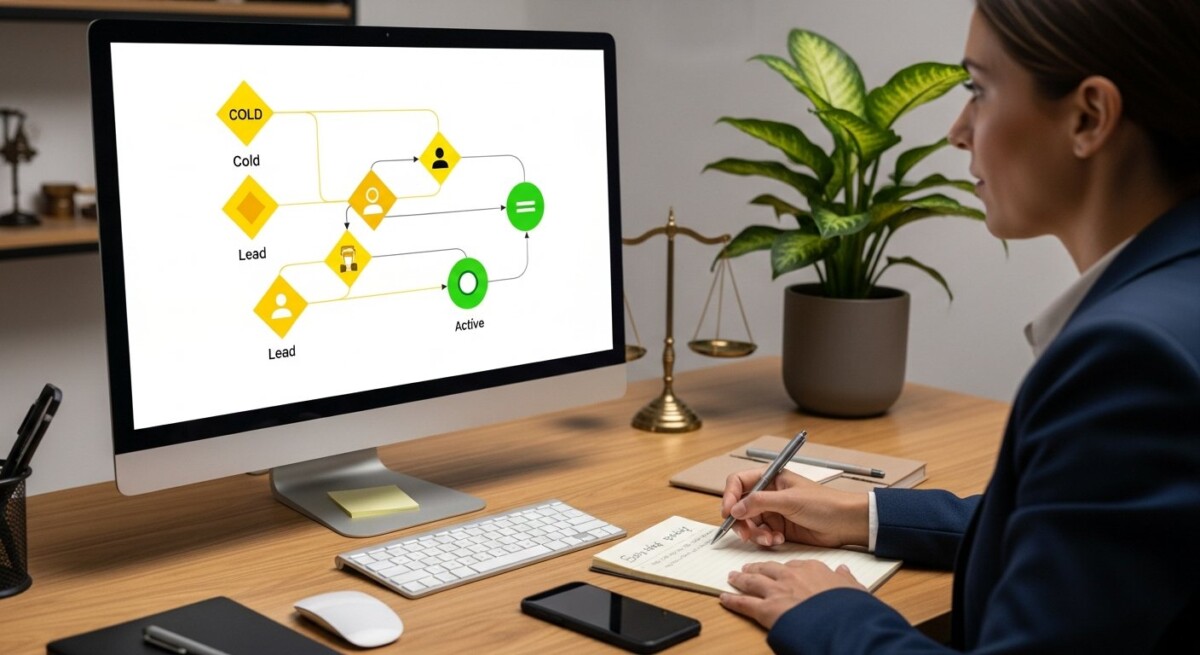
You invested in marketing, the leads came in, and then, silence. The phone stops ringing, emails go unanswered, and promising potential clients vanish into the ether. For law firms, unresponsive leads represent more than just a missed opportunity, they are a direct drain on marketing ROI and a frustrating operational hurdle. The challenge of how attorneys handle unresponsive leads is not just about persistence, it is about implementing a systematic, ethical, and psychologically informed process to re-engage individuals who have signaled interest but then gone cold. Transforming this silent majority into active clients requires moving beyond a single follow-up call and building a structured nurture campaign that respects boundaries while demonstrating value.
Understanding Why Legal Leads Go Silent
Before crafting a re-engagement strategy, it is crucial to diagnose the common reasons a lead becomes unresponsive. Rarely is it personal, often it is a combination of timing, fear, and overwhelm. A person seeking a bankruptcy attorney, for instance, may be paralyzed by financial stress and shame. A personal injury victim might be focused on medical treatment or intimidated by the legal process itself. In family law or criminal defense, the emotional weight of the situation can cause avoidance. Furthermore, the lead may have contacted several firms simultaneously and chosen another, or perhaps their immediate crisis has temporarily subsided. Understanding these motivations is the first step in crafting a compassionate and effective response. It shifts the perspective from chasing a name to helping a person who is likely in a difficult situation.
Building a Multi-Channel, Automated Follow-Up System
The most effective method for handling unresponsive leads is a predefined, multi-touchpoint system that operates across several channels over a period of weeks. Relying solely on phone calls is inefficient and often annoying. A modern system leverages email, SMS, and even direct mail in a coordinated sequence. The goal is to provide consistent, gentle touchpoints that keep your firm top-of-mind and offer new reasons for the lead to re-engage. This process should be largely automated through a Customer Relationship Management (CRM) system, ensuring no lead falls through the cracks and freeing up your staff for active cases. The sequence should be strategic, providing value with each communication, not just asking for a callback.
A robust follow-up sequence might include the following steps over a 30-day period:
- Immediate Acknowledgement: An automated email sent minutes after the initial contact, thanking them and outlining what to expect next.
- Day 1 Phone Call: The first personal attempt by an intake specialist.
- Day 3 Value-Add Email: A helpful resource (e.g., a blog post on “What to Expect During Your First Meeting with a DUI Attorney”) without a hard sell.
- Day 7 Second Phone Attempt: A follow-up call referencing the resource sent.
- Day 14 Third Contact: A brief SMS or email checking in, perhaps with a new, relevant question.
- Day 21 Final Value Email: A stronger piece of social proof, like a relevant client testimonial or case result.
- Day 30 Final Attempt: A polite email or call giving them an easy opt-out while leaving the door open for future contact.
This structured approach ensures persistence without becoming pestering. For insights on sourcing the leads that enter this system, our analysis of the best lead sources for attorneys breaks down effective acquisition channels.
Crafting Messages That Prompt a Response
The content of your follow-up messages is as important as their timing. Each communication must be designed to overcome a specific objection or mental barrier. Avoid generic “just touching base” messages. Instead, provide clarity, alleviate fear, and build authority. For example, an email to a silent bankruptcy lead could address common anxieties head-on: “Many of our clients initially feel uncertain about the bankruptcy process. We’ve created a clear checklist of documents needed for a Chapter 7 filing, which can help reduce the stress of getting started.” This reframes the follow-up as an act of service. Similarly, for personal injury leads, a message might focus on preserving evidence or understanding insurance tactics, demonstrating your expertise in the adversarial process. Subject lines are critical, they should evoke curiosity or offer a clear benefit, such as “One document often missed in Indiana bankruptcy cases” or “Answering a common question about settlement timelines.”
Leveraging Technology for Efficiency and Insight
Manually tracking dozens of leads across multiple stages is impractical. A legal-specific CRM is the engine that powers an effective unresponsive lead strategy. Beyond automating sequences, a good CRM provides visibility into lead behavior. Did the lead open your last three emails but not click? That signals continued interest. Did they click the link to your “fee agreement” page but not call? They may be concerned about cost. These behavioral triggers allow for intelligent, manual intervention. For instance, if a lead from a targeted source like those discussed in our guide on acquiring bankruptcy leads in Indiana repeatedly views content about Chapter 13, an intake specialist can be alerted to call and specifically discuss repayment plan options. Technology turns anonymous silence into actionable data.
Ethical Considerations and Compliance Boundaries
In the pursuit of re-engagement, attorneys must strictly adhere to ethical rules. Rules of Professional Conduct govern communication with prospective clients. While marketing follow-up is generally permissible, it must not be misleading, harassing, or involve undue influence. Providing a clear and easy opt-out mechanism in every email is not just a best practice under the CAN-SPAM Act, it is an ethical imperative. Furthermore, it is crucial to confirm that the lead has not already retained other counsel. A well-documented follow-up system also protects the firm. It creates a record of respectful, value-added communication, which can be important if a lead later claims they were ignored or pressured. The line between diligent follow-up and harassment is defined by frequency, tone, and the lead’s explicit requests to stop communication.
Knowing When to Disqualify and Move On
Not every unresponsive lead can or should be converted. A critical component of managing this process is knowing when to disqualify a lead and archive them. This conserves emotional energy and focuses resources on viable opportunities. Clear disqualification criteria should be established. These may include: explicit requests to not be contacted, failure to engage after a full nurture sequence (e.g., 8-10 touchpoints over 45 days), or discovery that the case lacks merit or is outside your jurisdiction. When archiving a lead, the final communication should be graceful. A simple email stating, “We will close your file for now, but please feel free to reach out if your situation changes,” maintains goodwill. This person may refer others or re-engage in six months. Effective lead management, as detailed in our resource on acquiring high-quality Chapter 13 leads, involves both skillful acquisition and prudent qualification.
Frequently Asked Questions
How many times should I call an unresponsive lead? Within a structured sequence, 3-4 phone attempts over 3-4 weeks is standard. Space them out and vary the days/times. After that, continue nurturing via email unless they opt out.
Is texting unresponsive leads acceptable? Yes, if the lead provided a mobile number and you have implied consent for informational texts. Always identify your firm, provide value, and offer a simple opt-out. Avoid texting for purely promotional pitches.
What is the single most effective tactic for re-engagement? Providing unexpected value. Sending a highly relevant, helpful piece of information (e.g., a local court update, a concise guide) that addresses their probable pain point often breaks through the noise better than another “are you still interested?” query.
How long should I keep unresponsive leads in my nurture system? A full nurture cycle can last 45-90 days. After that, you can move them to a long-term, low-frequency newsletter list (e.g., quarterly updates) to maintain top-of-mind awareness for future needs or referrals.
Can I use social media to reach unresponsive leads? Proceed with extreme caution. Connecting and sending unsolicited messages on LinkedIn or Facebook can be perceived as intrusive. It is generally safer to use these platforms for broad content distribution rather than direct, personal follow-up with cold leads.
Mastering the art of handling unresponsive leads is what separates high-growth firms from those stagnating with wasted potential. It transforms marketing spend from a cost center into a reliable engine for client acquisition. By implementing a systematic, empathetic, and technology-supported process, you ensure that every expression of interest receives its full due diligence. This not only recovers potentially lost revenue but also builds a reputation for thoroughness and care. For firms in competitive verticals like criminal defense, where timing is critical, this systematic approach is non-negotiable, a point underscored in our review of verified criminal defense attorney leads. The goal is not to badger, but to be the helpful, authoritative guide present when the potential client is finally ready to move forward.